
An adaptogenic plant
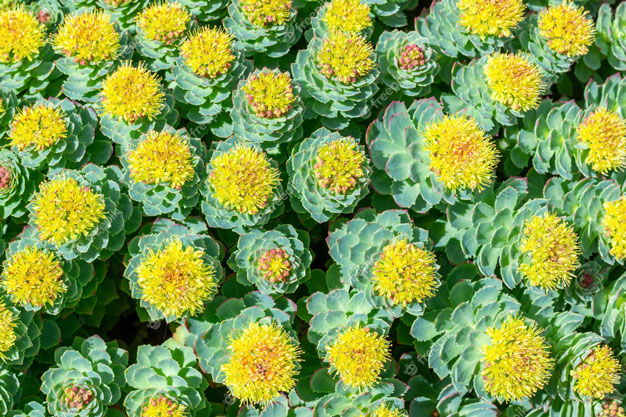
Rhodiola rosea, also called ‘golden root’, is a member of the Crassulaceae family and is considered to be an adaptogenic plant, i.e. it stimulates the body’s principles of adaptation and resistance to situations of change and stress.
What Rhodiola Rosea is used for: benefits and properties
Rhodiola rosea is rich in active ingredients (more than 140) that affect the neuro-endocrine and immune systems, the central nervous system and the cardiovascular system.
For mood and memory
It can support mood swings by boosting serotonin production, alleviate anxiety and act on symptoms of depression. It can improve cognitive function and mental functions such as attention, learning, memory and has a neuroprotective effect on the body.
For stress
As an adaptogenic plant, it can help the body adapt to and cope with the symptoms of physical or mental stress. Adaptogenic plants are said to have both calming and stimulating properties, so that they can prompt the body to react to the stresses it is under.
When we are stressed, our adrenal glands release hormones, such as cortisol, adrenaline and noradrenaline (also known as catecholamines), which cause the classic symptoms of stress, such as a pounding heart, shaking hands and sudden sweating. Rhodiola rosea reduces our reaction to stress by slowing down the production of hormones that generate this type of response. It may be useful in states of burnout.
For physical performance
Exercise is good for us, but in many cases it can put our bodies under a lot of strain, generating a new source of stress. Rhodiola rosea counteracts the feeling of fatigue by boosting the body’s energy. This is why it can be a valuable aid during a training session and in post-training recovery.
Warnings and contraindications
This adaptogenic plant has few contraindications. In some cases it has created slight side effects such as dizziness, headaches and insomnia. It is best to avoid it if you are taking medication to lower blood pressure. Always seek the advice of your doctor before taking it.
Sources and insights
- Pubmed, Rhodiola rosea L.: an herb with anti-stress, anti-aging, and immunostimulating properties for cancer chemoprevention
- Pubmed, Rhodiola rosea L. Improves Learning and Memory Function: Preclinical Evidence and Possible Mechanisms
- Pubemd, A randomised, double-blind, placebo-controlled, parallel-group study of the standardised extract shr-5 of the roots of Rhodiola rosea in the treatment of subjects with stress-related fatigue
- Pubmed, Effects of chronic Rhodiola Rosea supplementation on sport performance and antioxidant capacity in trained male: preliminary results